Deciding on the best hygiene method for aging adults is a significant consideration for families in Texas. When asking should seniors take baths or showers, the answer typically depends on a combination of physical mobility, skin health, and home safety. Both methods offer distinct advantages and challenges that change as a person enters their 70s and 80s.
The Case for Showers in Senior Care
For many active seniors, a shower is a quick and efficient way to stay clean. Showers generally use less water and allow for a constant flow of fresh water to rinse away soap and debris.
Benefits of Showering
Showering is often preferred for seniors who have the balance and stamina to stand for short periods. Using a walk in shower with a low threshold reduces the risk of tripping over a high tub wall. Furthermore, showers are often more invigorating and can be completed faster, which is helpful for those who experience fatigue.
Risks of Standard Showers
The primary downside to a traditional shower is the risk of slipping on wet tile. Without proper grab bars and non slip flooring, a shower can become a hazard. For seniors with limited mobility, standing in a small enclosure may lead to dizziness or loss of balance.
The Benefits of Taking Baths for Seniors
Bathing is often viewed as a more relaxing alternative, but traditional soaking tubs present significant safety hurdles for older adults. This is where the debate over should seniors take baths or showers often leads to the discussion of specialized equipment.
Therapeutic Advantages
A warm bath is excellent for soothing sore joints and improving circulation, which is beneficial for seniors dealing with arthritis or chronic pain. The buoyancy of the water takes pressure off the musculoskeletal system, providing a level of comfort that a standing shower cannot match.
Safety Concerns with Traditional Tubs
While therapeutic, a standard bathtub is often the most dangerous place in a Texas home. Stepping over a high porcelain wall requires significant balance and leg strength. Additionally, lowering oneself to the floor of a tub and trying to stand back up can be nearly impossible for those with weakened core muscles.
The Hybrid Solution: Walk In Tubs
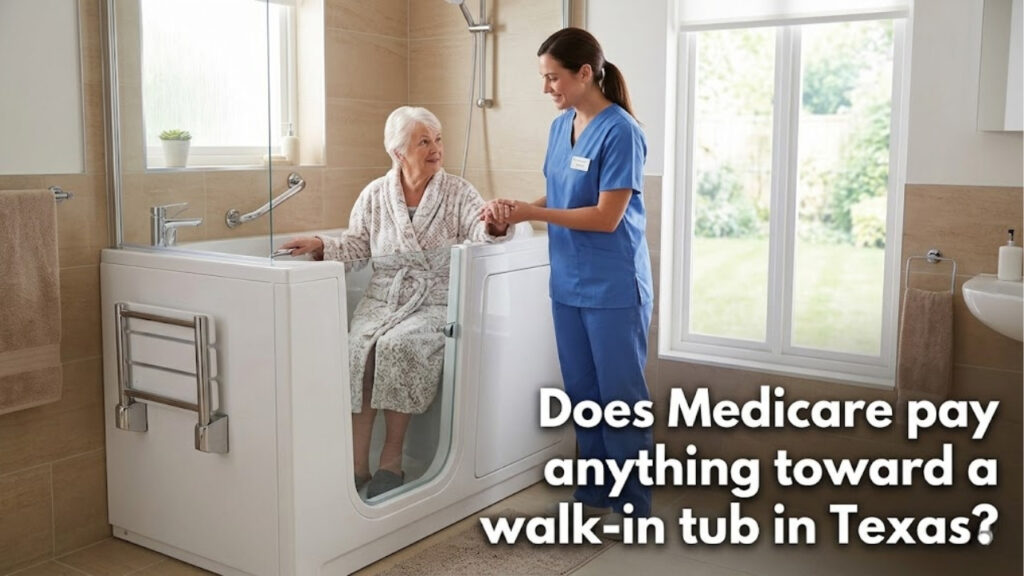
When evaluating should seniors take baths or showers, a walk in tub often provides the perfect compromise. These units allow for both a full soak and a seated shower experience, offering the best of both worlds.
Why Walk In Tubs are Preferred in Texas
A walk in tub features a leak proof door with a very low entry point, eliminating the need to climb over a high wall. Once inside, the senior can sit on a contoured, ADA compliant seat. This allows the individual to enjoy a deep soak or use a hand held showerhead to wash while safely seated.
Making the Right Choice for Your Loved One
The decision between a bath or a shower should be based on the individual’s specific health needs. If a senior suffers from chronic pain, a bath in a controlled environment like a walk in tub is likely the better option. If a senior is highly mobile and prefers a quick routine, a modified shower with a seat and grab bars may suffice.
Ultimately, the goal is to maintain independence and hygiene without sacrificing safety. Assessing the layout of the bathroom and the physical stability of the senior will help determine the most appropriate bathing method.